Alberta Climate
July 15, 2026
5 min read
Canmore Is Arguing About Wildfire Risk Again.
Your Windows Are Part of That Argument.
Canmore residents are raising wildfire concerns over a proposed glamping site. Here is why your windows matter more than most homeowners realise.
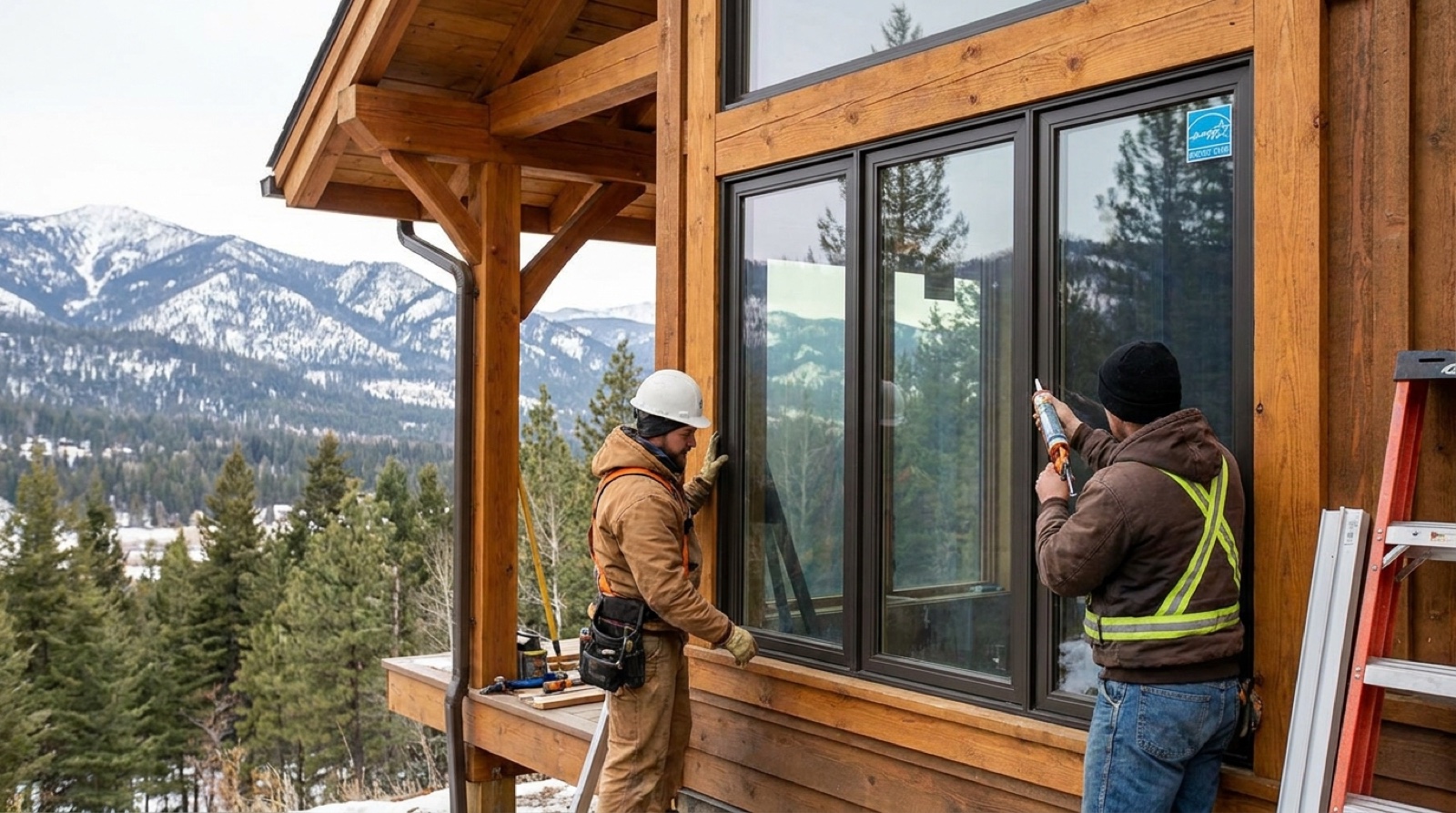
If a wildfire ever reaches a Canmore neighbourhood, your windows are likely to fail before your roof or your walls do. Glass breaks under radiant heat, and once it breaks, embers have an open door into the house.
That is not a hypothetical worth ignoring right now. A proposed glamping site near the Peaks of Grassi neighbourhood has residents raising wildfire risk, wildlife pressure and traffic as reasons to oppose it, according to CBC's reporting on the project.
What the Peaks of Grassi Debate Is Actually About
The proposal would put 74 tents on wooden platforms in forest between residential neighbourhoods, with an administration building and a shared communal fire. Residents told CBC they regularly see elk, bears and coyotes in that same forest.
Wildfire risk came up repeatedly, alongside concerns about traffic, undermining and added pressure on Quarry Lake. One longtime resident, Wendy Walker, told CBC that development is inevitable but the pace is what upsets people.
We are not going to tell you how to vote on a land use application. But the fire conversation is the part homeowners can act on this month regardless of how the project turns out.
Why Glass Is the Weak Point
A wildfire does not need to touch your house to damage it. Radiant heat from a fire burning nearby can crack or shatter glass from a distance, and the wind that comes with it carries embers.
Once a pane goes, the interior is exposed. Curtains, furniture and flooring ignite from embers that would have bounced harmlessly off an intact window.
The Hierarchy FireSmart Actually Uses
FireSmart Alberta's fact sheet on windows and doors is blunt about the ranking. Single pane glass is the most vulnerable to radiant heat, multi-pane is better, and tempered glass performs best.
Size matters too. In FireSmart's home ignition zone scoring, larger panes carry a higher hazard score than smaller ones, because a big sheet of glass absorbs more heat across more surface.
| Feature | Why it matters in the Bow Valley |
|---|---|
| Single pane glass | Most likely to break under radiant heat. Common in older Canmore and Exshaw housing stock. |
| Multi-pane sealed units | The outer pane takes the heat first. FireSmart calls for double pane as a minimum. |
| Tempered glass | Rated least vulnerable. Worth prioritising on the elevations facing forest. |
| Smaller panes | Score better than large expanses of uninterrupted glass. |
| Metal screening | Reduces radiant heat reaching the glass and limits ember entry. |
What This Means for a Canmore Home
Most homes here do not need every window changed at once. They need the exposed elevations dealt with first, and that usually means whichever side faces the treeline.
If you have a large fixed unit facing forest, that is your highest hazard item and your most expensive one to replace after the fact. A large fixed pane looks spectacular against Ha Ling and is also the single biggest sheet of glass on the wall.
The good news is that the upgrade you would make for fire performance is largely the same upgrade you would make for heating bills. Moving from single pane to a modern sealed unit improves both, which is why higher performance glazing tends to pay for itself twice in a climate like ours.
A Sensible Order of Operations
- Walk your property and identify which windows face forest or slope.
- Check whether any of those are still single pane. Older Canmore and Cochrane homes often are.
- Ask about tempered glass on the exposed elevations specifically, not the whole house.
- Deal with failed seals and cracked panes now rather than waiting. A repair on a compromised unit is cheap compared to a full replacement.
- Clear the 1.5 metre immediate zone around the house that FireSmart describes, because the best window in the world does not help if there is combustible material sitting against the wall.
Operable Windows Matter More Than People Think
FireSmart's advice includes closing your windows when a fire threatens. That sounds obvious until you have a window that no longer closes properly.
Casement units seal tightly against the frame when latched, which is part of why crank operated casements are common in mountain builds. A slider that has drifted out of square over twenty Alberta winters does not seal the same way.
That is a maintenance question as much as a product question. Any window that sticks, drags or leaves a gap at the latch is worth looking at.
The Pace Argument Cuts Both Ways
The frustration in Canmore about how quickly things are changing is real, and it is not our business to settle it. What we would point out is that the housing stock is changing slower than the risk profile is.
Homes built in Canmore, Banff, Cochrane and Exshaw decades ago were not glazed with wildfire in mind. Bringing them up to current expectations is not a rush job, but it is not something to leave for a smoky August either.
If you want a straight assessment of which windows on your house are the actual liability, get in touch and we will come look. We will tell you if the answer is three windows rather than thirty, because it usually is.
And if the answer does turn out to be a broader project, a staged replacement plan spread across a couple of seasons is a normal way to handle it.
Find Out Which Windows Are Actually the Risk
We will walk your Canmore property, check the exposed elevations, and tell you what needs doing and what does not.