Maintenance
October 7, 2026
4 min read
How Long Do Windows Last?
And Signs It's Time to Replace
Most windows last 20 to 25 years. Spot the signs of failure: fog between panes, drafts, failed seals and frame rot.
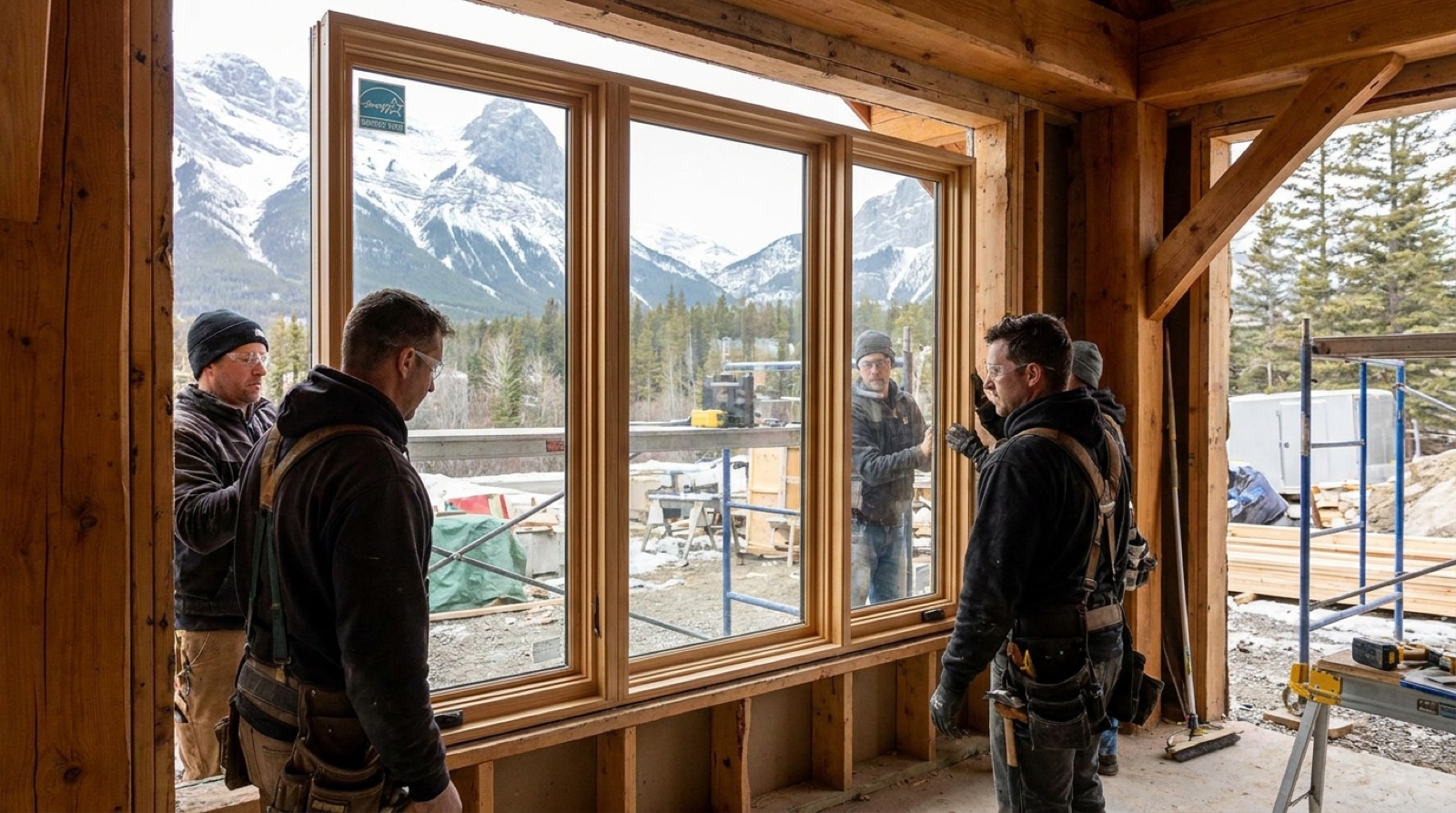
Most residential windows last 20 to 25 years. Good quality units that are installed properly and maintained can go longer, while builder grade windows in a harsh climate often fail sooner.
Age alone is not a reason to replace. What matters is how the glass, seals, and frames are performing right now.
Average Window Lifespan by Frame Material
The frame material sets the upper limit on how long a window can last. The sealed glass unit inside it usually gives out first, often somewhere between 15 and 25 years.
| Frame material | Typical lifespan | What usually fails first |
|---|---|---|
| Vinyl | 20 to 30 years | Seals, warping on sunny sides |
| Wood | 30 years or more with upkeep | Rot at sills and lower corners |
| Fibreglass | 30 to 40 years | Sealed glass units, hardware |
| Aluminum | 20 to 30 years | Seals, condensation at the frame |
These are typical ranges, not guarantees. Installation quality, exposure, and maintenance push a window toward one end of the range or the other.
What Shortens Window Life in Canmore
Windows in the Bow Valley work harder than windows in milder parts of the country. Canmore gets deep cold, strong sun at elevation, and chinooks that can swing the temperature by 20 degrees or more in a day.
Every swing makes the glass, spacers, and frames expand and contract. Over thousands of cycles, that movement breaks down the seal around the insulated glass unit.
- Sun exposure: South and west facing windows take more UV, which degrades sealants and can warp lower grade vinyl.
- Moisture: Snow sitting against sills and winter condensation on the interior both feed rot in wood frames.
- Poor installation: A window that was not flashed, shimmed, or sealed properly can leak and fail years early.
- Skipped maintenance: Cracked exterior caulking and bare wood let water into places it should never reach.
Signs It Is Time to Replace
Fog between the panes
Fog, haze, or water droplets trapped between the panes mean the seal has failed. Any insulating gas has escaped, and the window no longer holds heat the way it was built to.
Condensation on the room side of the glass is a different issue. That usually points to indoor humidity, not a failed window.
Drafts you can feel
Hold your hand near the edge of the sash on a cold, windy day. Moving air means worn weatherstripping, a warped sash, or gaps between the frame and the wall.
Weatherstripping is a cheap fix. A warped frame is not, and it tends to get worse each winter.
Failed seals and rising heating bills
Seal failure is not always visible. Glass that feels colder than it used to, frost forming along the edges, or a furnace that runs longer every winter can all point to seals that are on their way out.
Frame rot or soft wood
Press a screwdriver into the sill and the lower corners of the frame. If the wood is soft, crumbling, or stained dark, water has been getting in for a while.
Rot does not stop at the window. Left alone, it spreads into the framing around the opening and turns a window job into a structural repair.
Windows that stick or will not lock
A window that is hard to open, will not stay up, or no longer latches is a security and fire safety problem. Sometimes the cause is worn hardware, and sometimes the frame has shifted out of square.
Repair or Replace?
Not every problem calls for a new window. If the frames are solid and the unit is under 15 years old, a targeted window repair often makes more sense than a full tear out.
| Problem | Best fix |
|---|---|
| Worn weatherstripping or broken hardware | Repair |
| One fogged pane in a sound frame | Replace the sealed glass unit |
| Fog in several windows of the same age | Replace the windows |
| Soft or rotted frame | Replace the window |
| Warped sash or frame out of square | Replace the window |
| Single pane glass or units past 25 years | Replace the window |
When several windows of the same age start failing together, the rest are usually close behind. At that point, replacing your windows as one project typically costs less per opening than doing them one at a time.
Replacement is also a chance to improve comfort. Modern energy efficient glass packages with low-E coatings and triple pane options hold heat far better than what was installed in the 1990s or early 2000s.
How to Get More Years Out of Your Windows
- Inspect exterior caulking every fall and redo any sections that are cracked or pulling away.
- Keep the weep holes at the bottom of the frame clear so water can drain.
- Clean and lubricate tracks, hinges, and locks once a year.
- Repaint or reseal wood frames before the finish starts to peel.
- Clear snow away from sills and lower frames after heavy storms.
- Run bathroom and kitchen fans to keep winter humidity in check.
Not Sure Where Your Windows Stand?
If your windows are approaching 20 years old or showing any of the signs above, have them checked before another Alberta winter. We inspect windows across Canmore, Banff, Cochrane, Exshaw, and the Bow Valley, and we will tell you plainly if a repair will do the job.
Call (825) 804-5236 or get in touch for a free quote.
Find Out If Your Windows Need Replacing
Book a no pressure window assessment anywhere in Canmore and the Bow Valley and get a clear answer on repair versus replacement.